



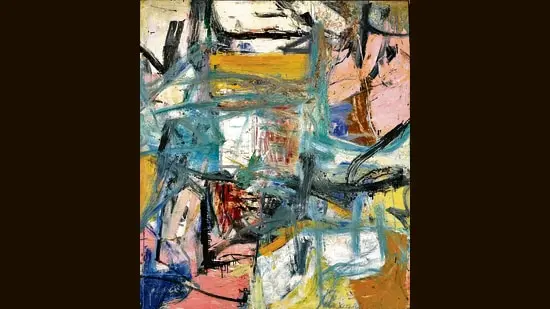
The US is celebrating 250 with some breathtaking displays of art and heritage.
The Smithsonian Institution’s Our Shared Future: 250 spans museums, libraries, research centres and the institute’s zoological park in Washington DC. New York’s Metropolitan Museum of Art is presenting installations, performances, talks and film screenings. The National Gallery of Art has launched a year-long programme drawing on more than 75,000 works from its collection.
Here are other, smaller shows that tell the story in intriguing ways.
.
AMERICA AT 250
Museum of Fine Arts, Boston
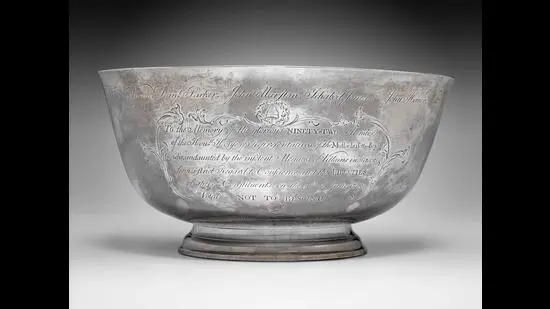
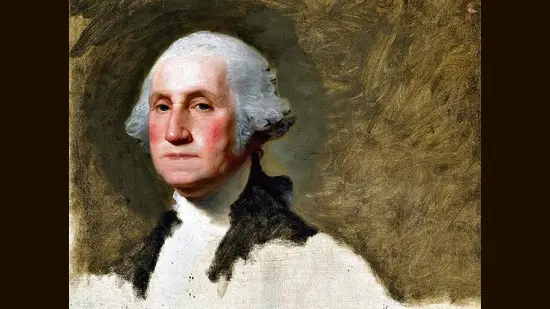
MFA has reimagined its 18th-century Art of the Americas galleries, unveiling eight new themed spaces that bring together work by American, Native American and indigenous artists. On display: Gilbert Stuart’s iconic 1796 portrait of George Washington, which remained unfinished but is the image by which most Americans know the first US President (since it is also the image on the one-dollar bill). Master silversmith and military officer Paul Revere’s Sons of Liberty Bowl (1768), engraved with words of defiance, representing the colonies’ determination to be free. And a ceramic jar (1857) by the enslaved potter and poet David Drake, who signed all his work, wielding literacy as an act of resistance years before the civil war (1861-65).
.
PICTURES MORE FAMOUS THAN THE TRUTH
Virginia Museum of Fine Arts
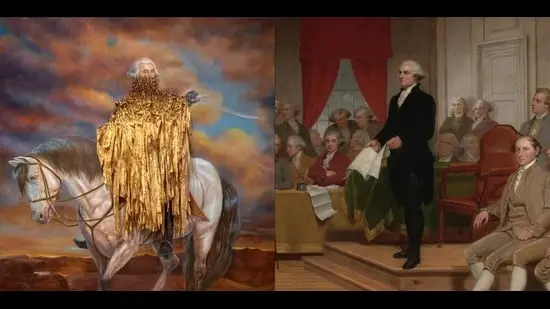
This show places five paintings of George Washington by Junius Brutus Stearns (1810-1885) alongside portraits and sculptures by the contemporary artist Titus Kaphar.
Where Stearns’s paintings, widely circulated as prints, helped establish enduring visual narratives of Washington’s life, Kaphar revisits these familiar scenes and reimagines them, stripping away canvas to insert the names of enslaved people, for instance; or incorporating lines from Washington’s will, in which he finally emancipated his slaves.
Kaphar likens his commentary to “constitutional amendments” that expand the viewer’s historical understanding. “Titus’s paintings are a way to understand both the promise and the peril, the fact and fictions, of Stearns’s versions of Washington,” says curator Leo Mazow.
.
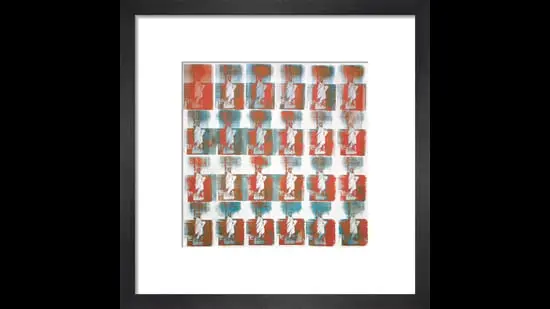
THE STATUE OF LIBERTY FROM BARTHOLDI TO WARHOL
Amon Carter Museum of American Art, Texas
Over and over, this symbol of the United States has been reimagined. This show explores the monument’s roles as artistic muse, pop-culture icon, and symbol of immigration, patriotism and resistance. The nearly 100 artworks and objects featured include works by Andy Warhol, Roy Lichtenstein, Norman Rockwell, Nari Ward and others. At the heart of the exhibition is one of Frederic Auguste Bartholdi’s rare bronze models of his famous statue.
.
WE MAKE HISTORY
Anacostia Community Museum, Washington DC
The centrepiece of this show is the Plummer family diary, the only known multigenerational diary begun by an enslaved person in America. Started by Adam Plummer in Maryland in 1841, it was continued by his daughter Nellie.
Across the exhibition, letters, photographs and sports memorabilia representing everyday life explore how personal records contribute to the stories that shape communities. Interactive stations invite visitors to reflect on what they would preserve from their personal, family and community histories.
.
TIES OF OUR COMMON KINDRED
Glenstone Museum, Maryland
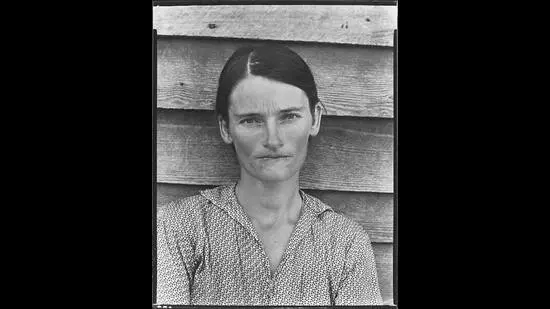
Drawn from the museum’s permanent collection, this exhibition celebrates major turning points in American art through works by Jackson Pollock, Willem de Kooning, Ruth Asawa, Andy Warhol and others. Among the works are Barbara Kruger’s Untitled (I Shop Therefore I Am), a statement on consumerism and mass media; Walker Evans’s iconic image of sharecropper Allie Mae Burroughs during the Great Depression; and Thomas Demand’s series Presidency, depicting the Oval Office.