



A lot of people think they are getting enough protein just because they follow a balanced eating pattern. But mild protein inadequacy is actually more common than most people realise, especially among those who skip meals, follow restrictive diets, or rely heavily on refined carbs. The body often sends subtle signals to indicate a lack of protein. These early warning signs can be easy to miss, but they usually suggest that your protein intake is lower than what your body truly needs.
“Protein is essential for energy, muscle repair, and overall health, yet many people don’t realise they may not be getting enough. Mild protein deficiency is more common than expected, especially among those with irregular meals or carb-heavy diets. The body often shows early warning signs in subtle ways,” Veena V, Chief Clinical Dietitian & HOD – Department of Clinical Nutrition and Dietetics, at Aster Whitefield, tells Health Shots.
Constant hunger and early cravings
One of the earliest signs of low protein intake is lingering hunger soon after meals. Even if you’re eating enough calories, you may still feel unsatisfied or snack frequently. Protein helps regulate fullness hormones and keeps you full for longer. When meals are low in protein, your body digests food faster, leading to a quicker return of hunger.
Fix it with:
- Eggs, yoghurt, lentils, chicken, soy, nuts
- Balanced meals with protein + fibre + healthy fats
Gradual loss of strength
A decrease in strength is another common sign. You may notice that everyday activities feel slightly harder. This happens because protein is essential for maintaining and repairing muscle tissue. Without enough intake, muscle breakdown can slowly outpace muscle repair.
Persistent fatigue and low energy
Frequent fatigue can also be a hidden indicator of protein deficiency. Protein provides the amino acids required for enzymes, hormones, and neurotransmitters that support energy metabolism. When intake is low, your body may struggle to maintain stable energy levels, leaving you feeling drained even after rest, according to the expert.
Hair thinning, skin dullness, and brittle nails
Protein is responsible for building keratin and collagen. When intake is not appropriate, your body prioritises essential functions first, which lead to noticeable changes in hair, skin, and nails.
Common signs include:
- Increased hair shedding
- Weak or brittle nails
- Dull or dry skin
Slow recovery after exercise or illness
If soreness lasts longer than usual or recovery feels delayed, it could be linked to low protein availability. Protein plays a major role in tissue repair and immune recovery. Without enough of it, even minor injuries or workouts may take longer to heal.
Swelling or puffiness (fluid retention)
In some cases, low protein levels in the blood can cause mild swelling, especially in areas such as the feet and ankles. This happens because proteins help maintain fluid balance in the body. While not always obvious, this can be an important nutritional signal that should not be ignored.
Frequent illness or weak immunity
Protein is essential for building antibodies and supporting immune function. If you’re getting sick more often or taking longer to recover from common infections, low protein intake may be a contributing factor.
How to fix protein deficiency?
Most adults don’t need extreme dietary changes, just consistency and balance. The goal is to include a high-quality protein source in every meal instead of trying to compensate for it all at once.
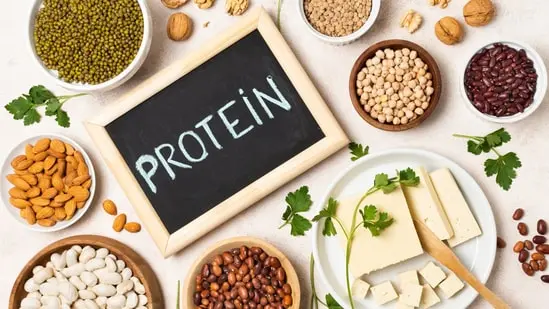
Best whole-food protein sources:
- Eggs
- Dairy (milk, yoghurt, paneer)
- Fish and poultry
- Soy products
- Lentils, beans, chickpeas
- Nuts and seeds
When supplements help?
Protein powders can be especially useful for:
- Busy professionals
- Athletes and fitness enthusiasts
- Older adults
- People with higher nutritional needs
- Whey protein is a high-quality, fast-absorbing option for most people.
- Plant-based blends (pea + rice protein) work well for vegetarians or those avoiding dairy.
Protein deficiency does not just occur all of a sudden. Instead, it builds quietly with small signs like fatigue, hunger, weaker recovery, and changes in hair or skin. Improving your protein intake doesn’t have to be complex. With simple dietary upgrades and the right supplements when needed, one can quickly restore balance, energy, and overall well-being.
Disclaimer: This article is for informational purposes only and not a substitute for professional medical advice. Always seek your doctor's advice for any questions about a medical condition. At Hindustan Times, we help you stay up-to-date with the latest trends and products. Hindustan Times has an affiliate partnership, so we may get a part of the revenue when you make a purchase. We shall not be liable for any claim under applicable laws, including but not limited to the Consumer Protection Act, 2019, concerning the products. The products listed in this article are in no particular order of priority.