



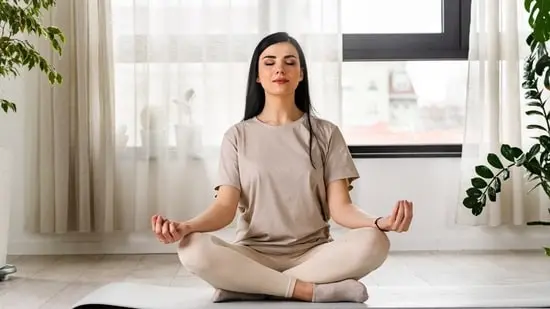
Focus is shrinking as overstimulation reaches an all-time high, whether from the endless stream of notifications, constant screen exposure or surging work demands.
ALSO READ: Want better heart health? Yoga expert shares 5 simple asanas that support cardiovascular wellness
Because of this pressure, the ability to concentrate and stay focused on tasks is waning. But the mental clutter does not have to be permanent. With simple lifestyle habits, you can create pockets of calming stillness, which help to restore a sense of balance and give you the strength to focus and process information with greater clarity.
Yoga asanas come into the picture here. Himalayan Siddha Akshar, founder of Akshar Yoga Kendraa, shared with HT Lifestyle that practising yoga helps to bring about a sense of calm, improving focus.
“The ancient yoga teachings highlight that a balanced body will result in a concentrated mind. As body calmness increases, the mind also becomes clear,” he explained.
Here are some of the poses he recommended, along with a guide on how to do them and why it works:
1. Tadasana (Mountain Pose)
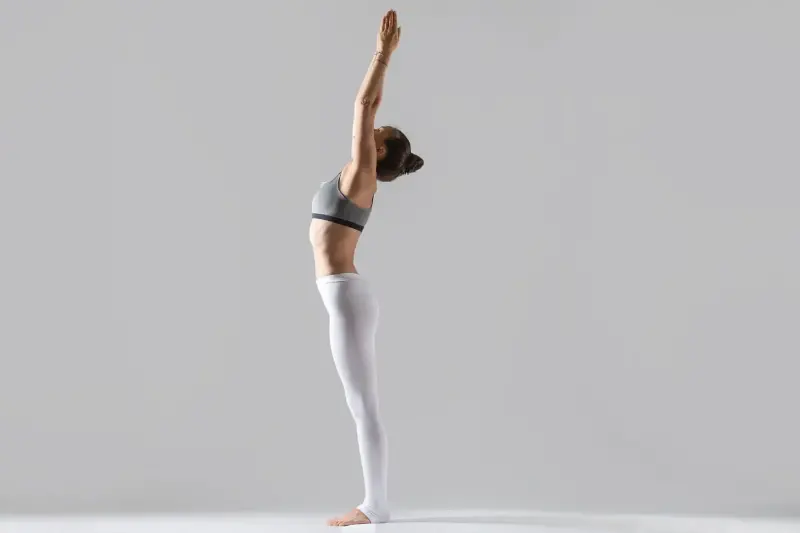
How to do it:
- Stand up with feet together, arms at your side.
- Distribute weight evenly.
- Inhale and raise your arms overhead, interlock fingers, and stretch upward.
- Look at one point.
- Hold for 5-8 breaths.
Why it works:
- Tadasana enhances correct posture and alignment of the spine, which results in oxygen flow.
- Having a balanced body also lowers mental distraction, which is a major way of training your brain to be in the present.
2. Vrikshasana (Tree Pose)
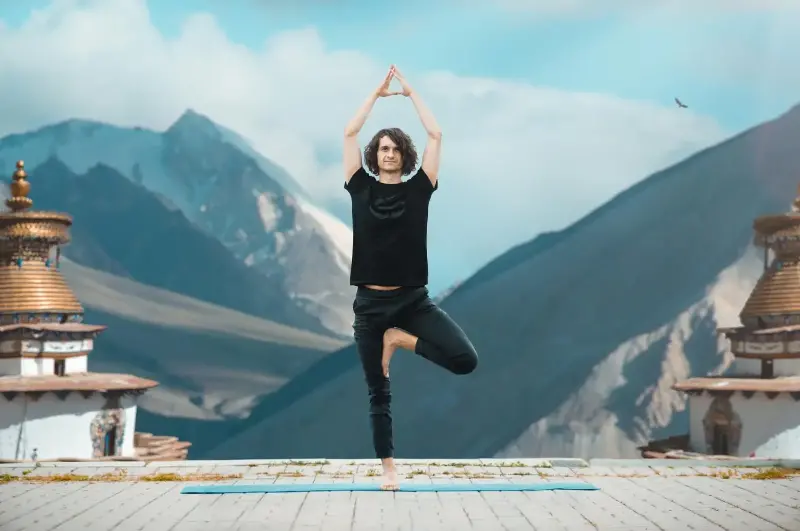
How to do it:
- On one foot, stand on your inner calf or thigh with the other foot.
- Pull palms towards the chest or over the head.
- Set your eyes on a predetermined position.
- Wait 20-30 seconds and change mental sides.
Why it works:
- Activating neural coordination and maintaining attention pathways through balancing.
- The mind has to remain alert but not hyperactive so as to have a balance directly beneficial to concentration.
3. Vajrasana (Thunderbolt Pose)
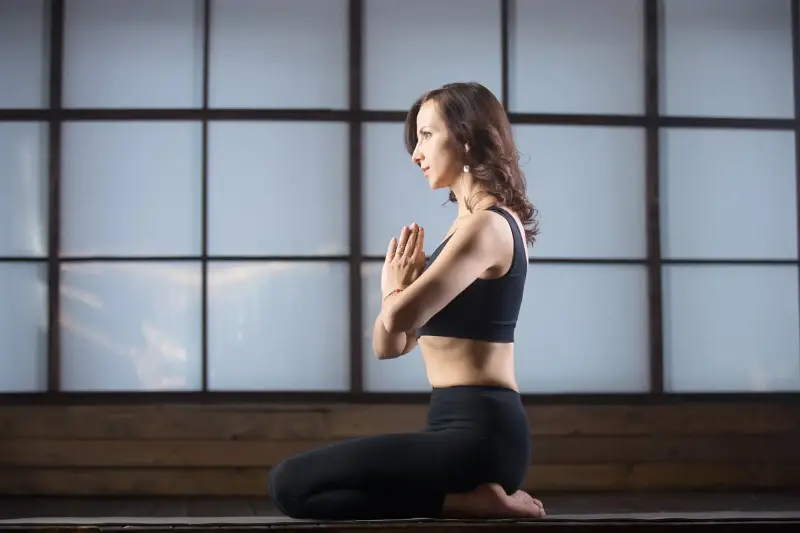
How to do it:
- Get on your knees and sit with your spine straight and hands on your thighs.
- Close your eyes and take a normal breath for 2-5 minutes.
Why it works:
- Such a position stabilises the nervous system and assists in digestion, which is also closely connected with clarity of mind.
4. Padmasana (Lotus Pose)
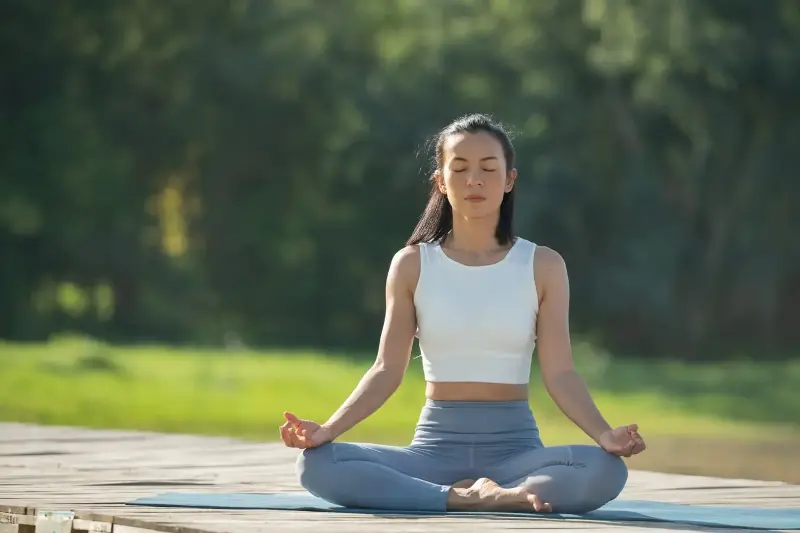
How to do it:
- Sit with one leg crossed over the other thigh in a cross-legged posture (or sit in comfort with a cross-legged position if cross-legged is indisposed).
- Rest hands on knees, keep the spine tall, and breathe slowly.
Why it works:
- Padmasana also reduces physical movement, promoting stillness.
- This lowers the bombardment of the senses and improves the brain's capability of processing and holding the information.
5. Paschimottanasana (Seated Forward Bend)
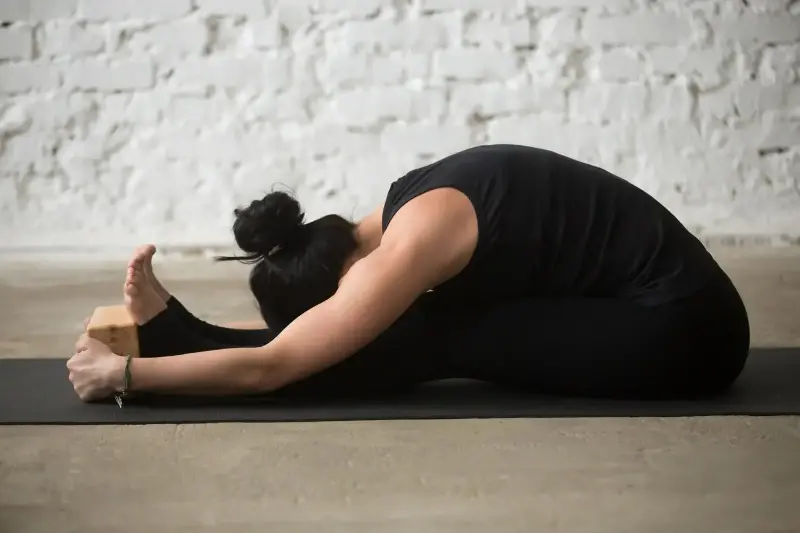
How to do it:
- Sit with legs extended. Inhale to lengthen the spine, then exhale and fold forward, reaching toward your feet.
- Take a heavy breath of 5-8 deep breaths, relaxing the neck.
Why it works:
- Forwards relax the mind and alleviate anxiety.
- Stimulates the parasympathetic nervous system, which enhances memory consolidation and mental endurance.
6. Bhramari Preparation Pose (Seated with Let out Moaning)
How to do it:
- Both sit in a posture of meditation.
- Close your eyes, inhale deeply, and exhale with a soft humming sound.
- Repeat 5 times.
Why it works:
- The motion activates the focus and emotion control regions of the brain.
- It helps to decrease the noises in the minds of the students, enabling them to think better.
When there are already so many distractions, with a significant dent in attention span, it becomes essential to make space in your daily routine to practise activities that help improve concentration. Yoga asanas gently guide the body into a state of calm, allowing the mind to follow.
Note to readers: This article is for informational purposes only and not a substitute for professional medical advice. Always seek the advice of your doctor with any questions about a medical condition.