


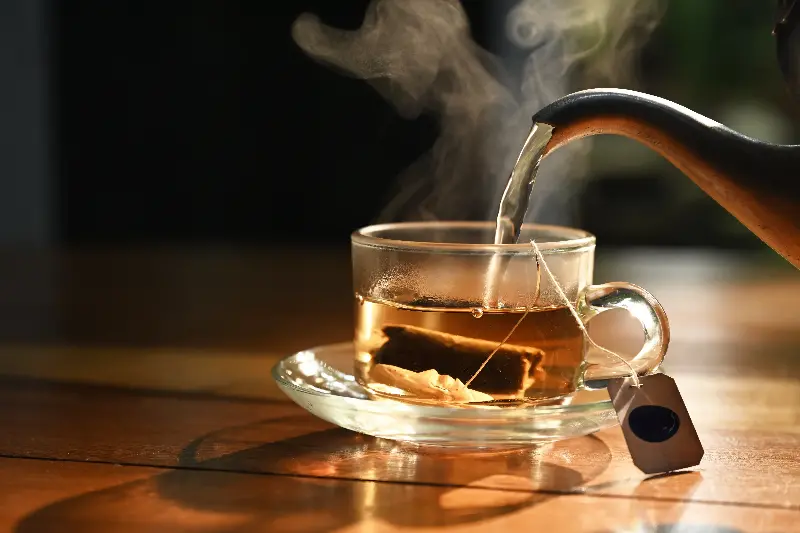
Tea is one of the world’s most cherished beverages, enjoyed across continents and cultures. Everyone has their preferred method: loose leaves for purists, tea bags for convenience, or a combination of both. While tea itself has a story stretching back thousands of years, the humble tea bag is a surprisingly modern invention—one that completely transformed how we prepare and enjoy our favorite brew.
These small pouches have a history rooted in accidental genius and a future shaped by environmental innovation. Here are five fascinating facts about tea bags that might just change your daily ritual forever.
THE INVENTION WAS A HAPPY ACCIDENT
Most legendary inventions seem to come about by chance, and the tea bag is no exception. At the beginning of the 20th century, an American tea merchant named Thomas Sullivan began sending samples of his tea in small silk bags to potential clients.
- The Confusion: Instead of opening the bags to pour the leaves into a pot, clients dunked them directly into hot water.
- The Result: To their delight, the tea brewed perfectly inside the silk "pouch."
- The Pivot: Sullivan quickly realized he had stumbled onto a revolutionary packaging method.
What started as a simple business shortcut to save on tin packaging costs is now a universal staple in kitchen cupboards around the globe.
A REVOLUTION IN GLOBAL TEA DRINKING
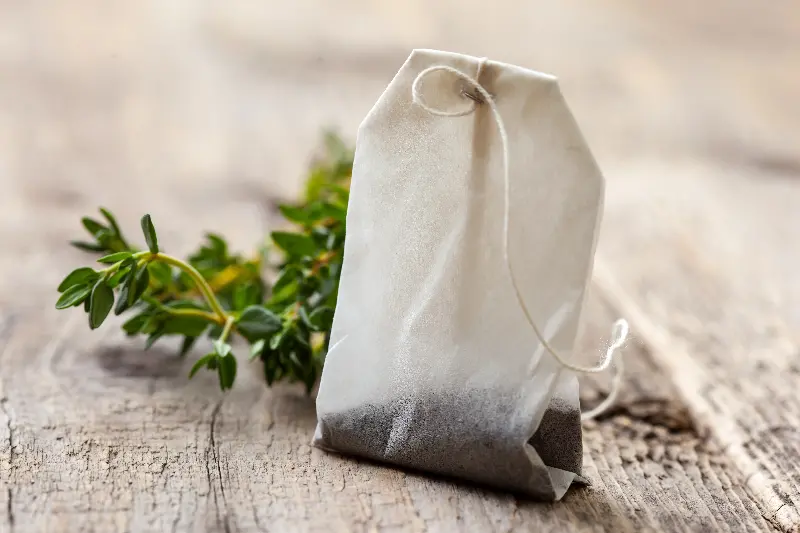
While tea drinking has ancient roots, the ritual traditionally required time and specialized equipment like teapots and strainers. The tea bag made the beverage accessible, convenient, and less formal. This shift was especially popular in busy households and workplaces where people wanted a quick brew without the fuss.
The tea bag’s simple design allowed for:
- Precise Strength Control: Easily removing the bag when the desired steep is reached.
- Mess Elimination: No more dealing with sodden loose leaves at the bottom of a cup.
- Mass Popularity: Today, nearly 96% of tea consumed in the United States is brewed using tea bags, a testament to their enduring utility.
NOT ALL TEA BAGS ARE CREATED EQUAL
If you think all tea bags are the same, think again. Over the decades, they have undergone substantial transformations in both materials and geometry. The first commercial bags moved from hand-sewn silk to paper fibers for cost efficiency.
Modern engineering has introduced diverse shapes:
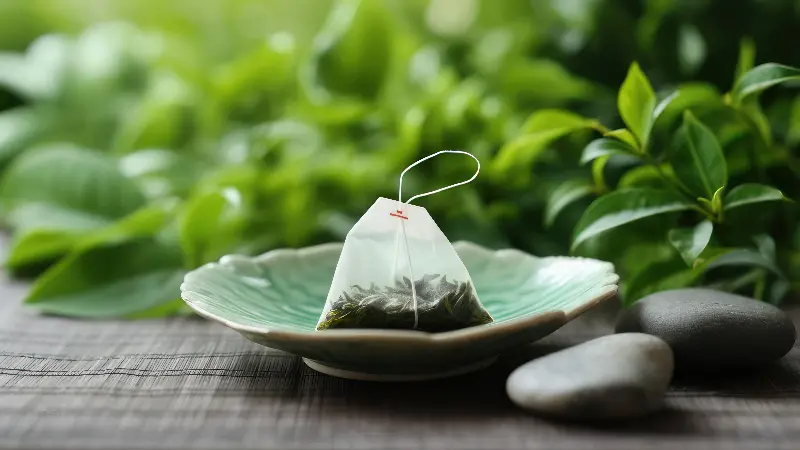
- Pyramid Bags: These allow more room for leaves to unfurl, enhancing flavor extraction and mimicking the loose-leaf experience.
- Round and Square: Designed to fit specific cup shapes or to sit flat at the bottom of a pot.
- Material Shifts: Premium brands are increasingly moving toward plant-based membranes to improve both taste and the "eco-footprint" of the brew.
VERSATILITY BEYOND THE TEACUP
The utility of a tea bag extends far beyond the morning cup. Because tea contains tannins and antioxidants, used bags serve as natural household tools.
In wellness and beauty, cooled tea bags are often placed on tired eyes to reduce puffiness and dark circles. In the kitchen, their mild abrasiveness and natural deodorizing properties make them excellent for cleaning stubborn surfaces. Even gardeners have found a use for them, using wet bags to refresh soil or deter specific pests. Artists have even utilized the natural staining properties of tea to create unique sketches and vintage-style textile art.
ENVIRONMENTAL IMPACT IS DRIVING CHANGE
The convenience of tea bags has historically come at a cost. For decades, many brands used bags containing polypropylene—a plastic used to heat-seal the edges—which is not biodegradable. This resulted in millions of discarded bags contributing to landfill waste annually.
However, the industry is rapidly evolving to meet the demands of eco-conscious consumers:
- Cornstarch Filters: Many major brands are switching to PLA (polylactic acid) derived from corn.
- Compostable Certification: New labels help consumers identify bags that can go straight into the organic waste bin.
- Plastic-Free Sealing: Ultrasonic sealing methods are replacing plastic glues.
Checking for an eco-friendly label or opting for loose-leaf tea with a reusable infuser is an excellent way to reduce your footprint while enjoying a great cup.
A LEGACY IN A TINY POUCH
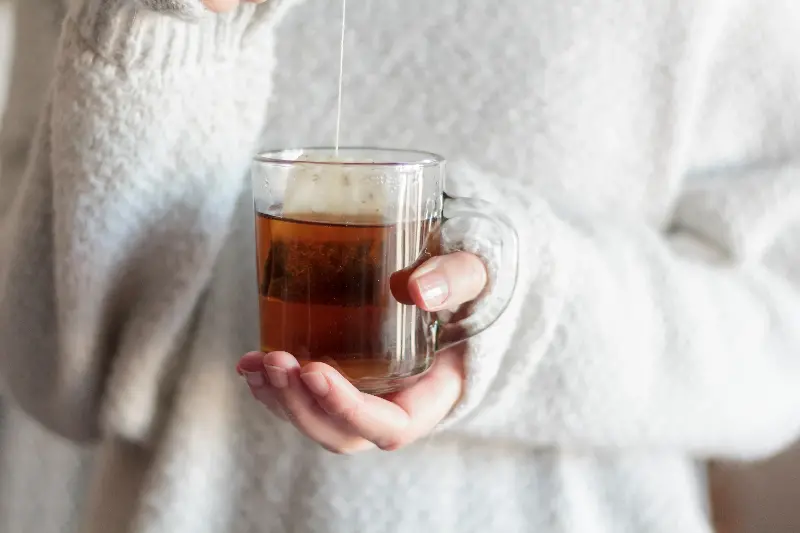
A cup of tea is more than a comforting habit; it’s a ritual that ties us to centuries of culture and ingenuity. The tea bag, with its curious origins and evolving form, is a testament to how a small piece of everyday life can hold a world of surprises. The next time you put the kettle on, pause to appreciate the innovative little bag that delivers that perfect steep to your cup. Whether sharing a pot with friends or brewing a quick solo cup, these facts prove there is much more to your tea than meets the eye.