


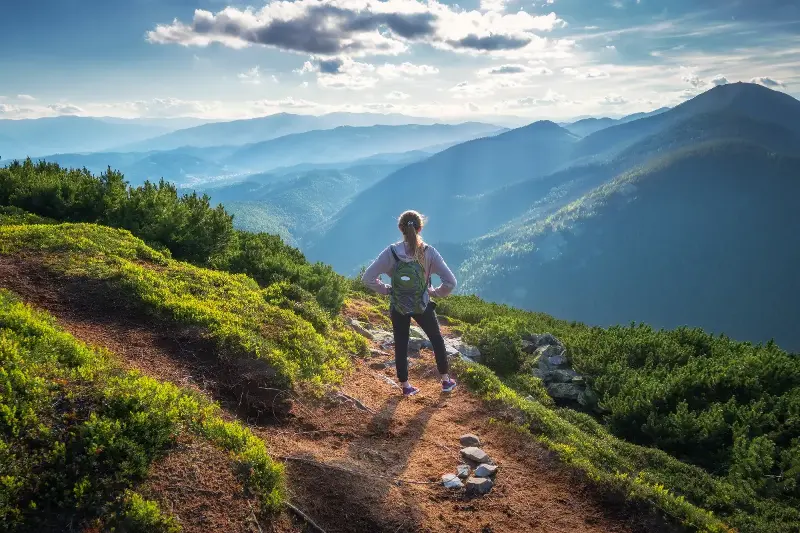
Mountain trails have a special way of turning an ordinary day into a memorable achievement. A route may begin gently, winding through peaceful woodland or alongside a babbling stream, but every climb brings a fresh perspective. By the time hikers reach an exposed ridge or a breezy summit, the physical effort feels less like ordinary exercise and more like a deeply satisfying personal journey. Mountains challenge the body, settle the mind, and reward patience with views that simply cannot be reached by car.
Unlike many forms of recreation, hiking offers progress that is easy to measure and feel. Every switchback, rocky step, and forest clearing marks a small victory. The destination matters, but so does the changing landscape along the way: mossy trees at lower elevations, vibrant wildflowers in alpine meadows, and stark, bare rock above the tree line. This gradual transformation is precisely why mountain hiking remains so universally appealing to people of all ages and fitness levels.
Why Uphill Walking Feels So Rewarding
Climbing a mountain requires steady, intentional physical work. Walking uphill engages major muscle groups—including the calves, quadriceps, glutes, and core. A person weighing around 70 kilograms can burn roughly 400 to 600 calories per hour while hiking, with steeper terrain pushing that figure considerably higher.
Yet the true appeal goes far beyond mere numbers:
- Manageable Goals: Hiking gives you a clear objective—just keep moving until the next bend, viewpoint, or forest clearing.
- Present Focus: Concentrating on the next ten minutes of walking or a brief water break makes a demanding route feel far less intimidating.
- Earned Satisfaction: A viewpoint reached after a challenging ascent feels immensely more vivid than one seen from a roadside platform.
Even a modest hill offers a profound sense of accomplishment when every single meter has been earned step by step.
The Mountain Environment in Motion
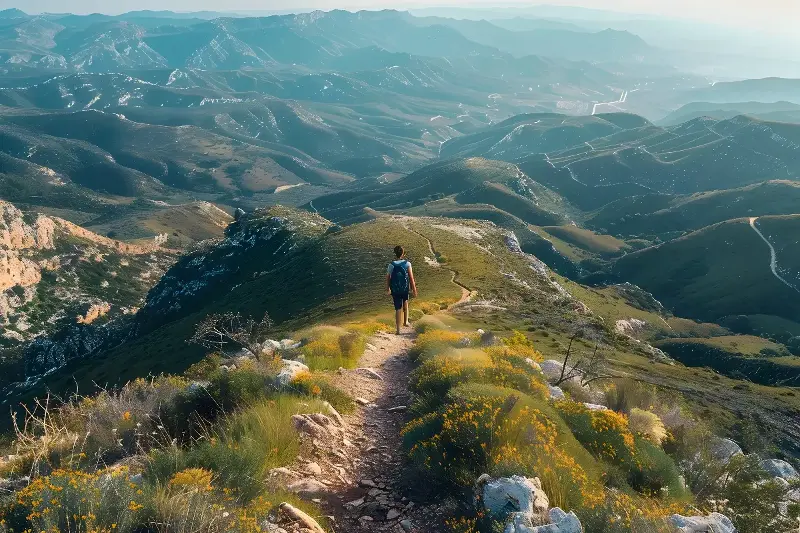
Mountain landscapes are dynamic and constantly shifting. Weather changes rapidly with elevation; a warm, sunny trailhead can quickly transition into cool wind, mist, or rain higher up the peak.
- Temperature Drop: Air temperature decreases by approximately 6.5°C for every 1,000 meters of elevation gained, making extra insulating layers essential.
- Ecosystem Transitions: Lower slopes support broadleaf forests, higher areas transition to hardy conifers, and alpine zones above the tree line feature low shrubs and resilient flowers.
- Wildlife Encounters: Deer, marmots, mountain goats, and soaring birds of prey often appear along quiet routes. Always observe from a respectful distance to protect fragile habitats.
Staying on established paths prevents soil erosion and protects delicate alpine vegetation that can take years to recover from repeated trampling.
Preparing for a Safer Adventure
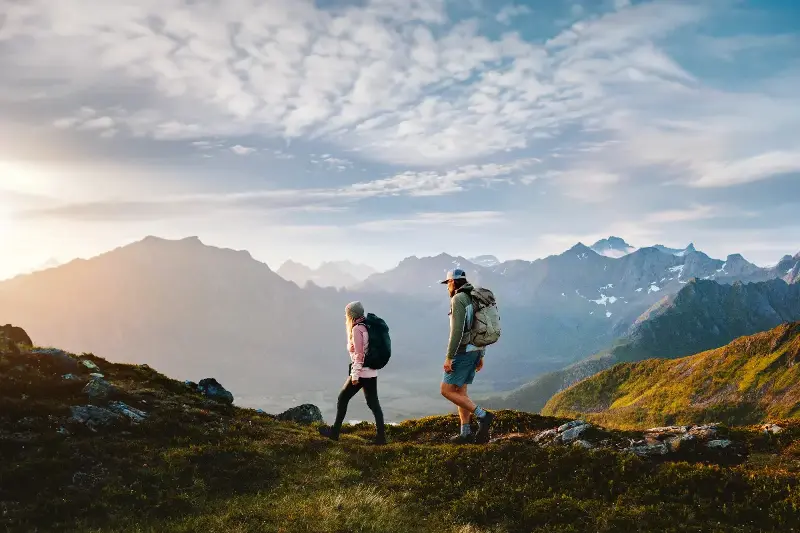
Thorough preparation ensures mountain adventures remain enjoyable and safe. Before setting out, study your route's distance, total elevation gain, and weather forecast, while leaving plenty of extra time for rests and unforeseen delays.
Essential gear and habits for the trail include:
- Sturdy Footwear: Boots or trail shoes with reliable grip reduce slips on wet roots and loose gravel, while moisture-managing socks help prevent painful blisters.
- Trekking Poles: Highly recommended for easing joint impact, as downhill travel places repeated stress on knees and leg muscles.
- Packed Essentials: Always carry ample water, energy-rich snacks, physical maps, a first-aid kit, sun protection, a headlamp, and emergency layers.
Proper hydration is critical even in cooler weather, as dry winds and steady exertion increase fluid loss without triggering immediate thirst.
The Mental Lift of Reaching Higher Ground
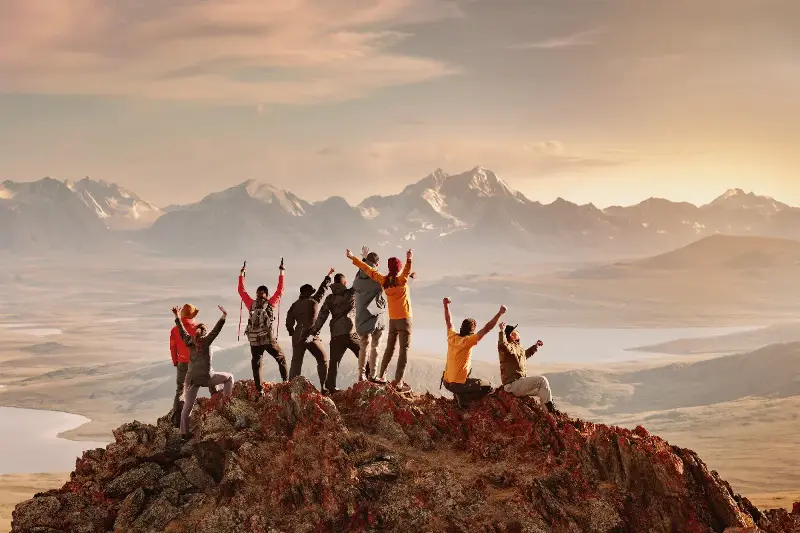
Beyond physical fitness, mountain trails provide a restorative escape from screens and busy daily routines. Spending time in natural settings supports positive mood, improves focus, and significantly reduces stress. The gentle concentration required to navigate a trail allows the mind to clear.
Whether shared with encouraging friends or experienced in the quiet solitude of a solo trek, the true value of hiking lies in the transformation between the first step and the final view. Winding paths teach persistence, windy peaks offer perspective, and the journey home always begins with a clearer mind and a refreshed spirit.