



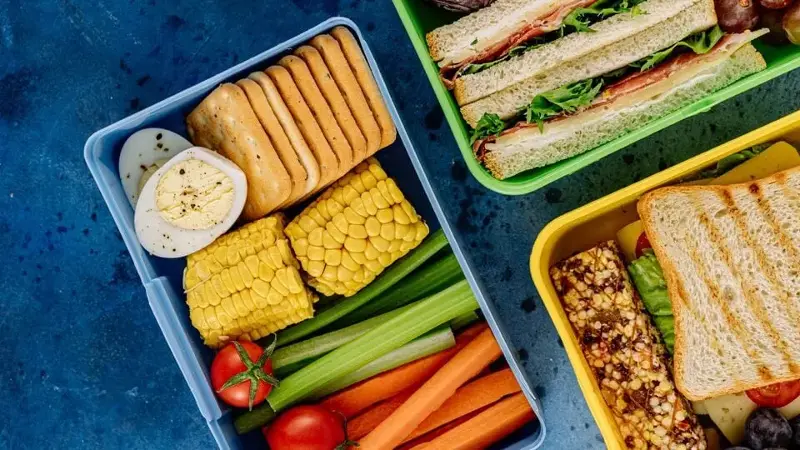
In many households, mornings are rushed, leaving little time for elaborate meal preparation. Convenience often outweighs nutrition, and school lunchboxes increasingly feature instant noodles and other processed foods, such as chips, biscuits, packaged snacks or deep–fried foods.
Although these items may serve as a quick fix on hectic days, experts caution against making them a regular choice. An occasional serving of junk food is unlikely to cause harm, yet replacing balanced, freshly prepared meals with processed or fried foods multiple times a week can deprive children of essential nutrients needed for healthy growth.
Childhood is a critical phase of development, requiring protein, healthy fats, vitamins, minerals and fibre to build immunity, aid digestion and support learning. Refined-flour foods high in sodium and unhealthy fats may temporarily fill the stomach, but they fail to provide the nourishment required for proper growth.
Nutrition beyond lunchbox
“What a child eats during the initial years affects his or her body in ways other than size and weight. It has implications for digestion, immunity, energy levels (or lack thereof), concentration and future eating habits. Agni (digestive fire) is essential in Ayurveda; as they say, we should not only eat wholesome food but also nourish the body properly. Substituting with instant food will only satisfy a hunger pang temporarily, but it will not help the digestive process or provide actual nourishment,” he says.
He adds that meals should be made fresh.
“Vegetable parathas with curd, moong dal chilla, vegetable poha, idli and a variety of seasonal fruits and homemade laddoos made from nuts and seeds are some of the nutritious options. Keep lunch simple and healthy. Nothing more than having to be fresh, healthy and well handled."
Experts emphasize that there are no overpriced menu items needed to eat healthily. Instead, planning meals ahead of time and eating whole, homemade foods can keep kids properly fuelled during the school week.
Making healthy food appealing
Another difficult challenge many parents encounter is picky eating. Children tend to be attracted to foods that are visually appealing and familiar. Sending the message that healthy food is not an option, nutritionists suggest providing/treating healthy meals in a creative way.
Dr Keshav Chauhan, Senior Ayurveda Doctor at Jiva Ayurveda, says, "One of the best ways to make them eat healthily is through variety.”
He says, “Kids are by nature fond of food that looks and tastes yummy. This does not have to be preparing bland meals for the kids that they will eat out of necessity. Attempt to prepare dishes that combine complex carbohydrates, protein, healthy fats (like nuts) and greens in a single lunchbox. Some of the options can be — vegetable besan cheela rolls, paneer or sprouts sandwich prepared with whole grain bread, lemon rice with vegetables, millet idlis, stuffed rotis whenever possible, roasted makhana and fresh coconut chunks and seasonal fruits.”
They can be rotated every week so that the kids do not get bored. Hydration is something we simply cannot neglect, either. Water is the healthiest option for schools, and, depending on the season, fresh homemade buttermilk or coconut water is necessary when they come home from school, he adds.
Balanced meals build health
Nutritionists advise that a school lunchbox should include whole grains or other complex carbohydrates to ensure the child has ample energy.
Some protein sources that help fight infections and support growth and development include lean meats and poultry, nuts/seeds, legumes/beans and dairy products. Healthy fats (for brain health) can be obtained from avocados and seasonal fruits and vegetables, which also provide vitamins, minerals and fibre. These balanced diets provide lasting energy, make classrooms more focused and stimulate better digestion and immunity.
Consistency over complexity
Experts agree that a healthy lunchbox need not necessarily revolve around expensive ingredients or elaborate recipes. It’s about consistency, preparation and making conscious food choices day in day out.
(The author, Nivedita, is a freelance writer. She writes on health and travel.)