



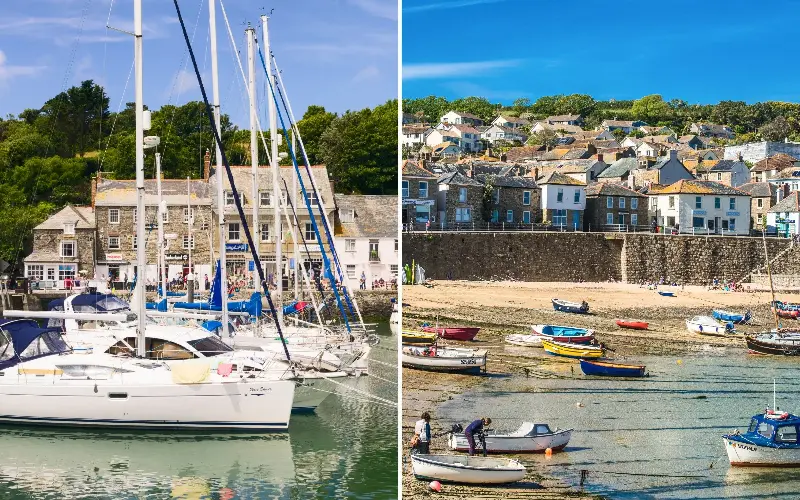
Cornwall’s 422-mile coast must be one of the most glorious shorelines in the world. It’s enhanced by its undeveloped nature, with many of its best stretches protected by families whose names appeared in the Domesday Book.
The north is more rugged and dramatic, a place where tall Atlantic waves crash onto wide sandy strands ideal for surfing. The south is more gentle and wooded, pierced by tidal creeks ideal for sailing and kayaking.
It’s relatively easy to hop between north and south (which is helpful, as thick, damp cloud can envelop one side while the other revels in brilliant sunshine), but which makes the best base for a holiday? I’ve compared the two across five categories and declared an overall winner.
Skip to:
Beaches
North Cornwall: 9/10
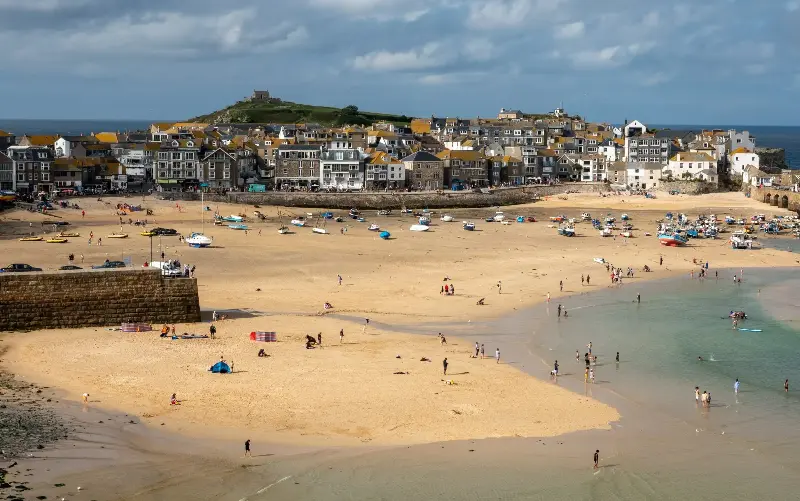
If the best beaches are defined by Blue Flag awards, then the north coast wins hands down. It has nine of Cornwall’s 10 Blue Flag beaches: three in St Ives Bay and three in Bude, plus Porthtowan, Trevone (near Padstow) and Polzeath (near Rock). Each has a full lifeguard service, good facilities (bins, toilets, equipment rental and lessons) and summer dog bans.
Another bonus is the Atlantic swell, which comes to shore on long sandy strands. In summer the waves are smaller, perfect for learning to surf or bodyboard, but beware the undertows and rip currents if you are a poor swimmer.
South Cornwall: 7/10
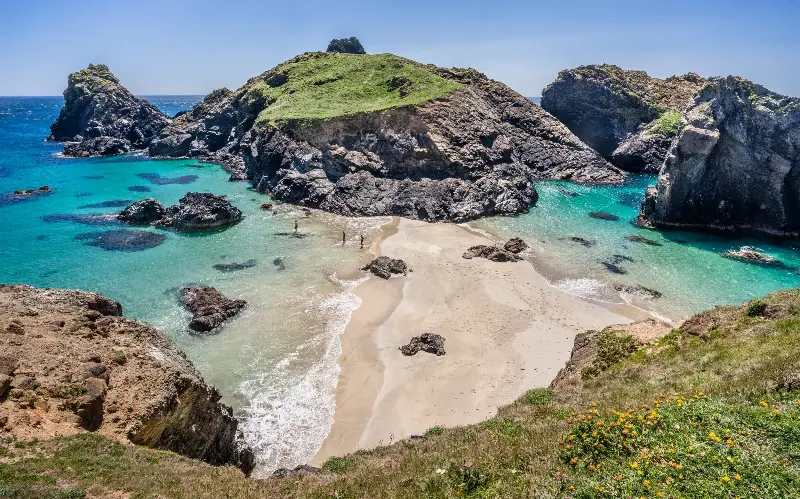
It may only have one Blue Flag beach (at Gyllyngvase, near Falmouth) but this a voluntary scheme aimed at larger tourist destinations. Many of the south’s best beaches are found in sheltered coves reached across private land with no facilities, which is part of their charm. I particularly like the National Trust’s Kynance Cove, on the Lizard Peninsula, at low tide.
The south’s calmer waters are also best for small children and launching beach toys. Novice paddle-boarders and kayakers can explore the inlets and caves once used by smugglers, with plenty of rental opportunities including outfits at Marazion, Mylor on the Fal and along the Fowey.
Towns and villages
North Cornwall: 7/10
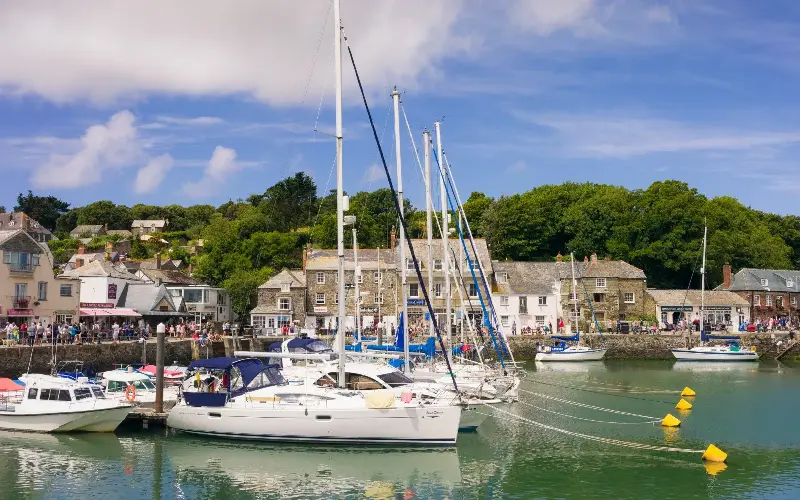
Rough seas, sand dunes and high cliffs made this coast a less attractive place to live until the industrial age. An exception is St Ives, sheltered by a long sandy spit whose origins date back over 1,000 years. It is the quintessential Cornish fishing town: alleys of time-worn granite sets wind up from Downalong to Upalong, filled with tall slate-hung homes, cafes and restaurants and art galleries, including a branch of the Tate. Its harbour-front pub, the Sloop Inn, dates back to 1312.
Further north, Padstow is of equal age, with grander houses built on the profits of trade in copper and tin, pilchards and slate. And, for any fan of Doc Martin, nearby Port Isaac is a must.
South Cornwall: 9/10
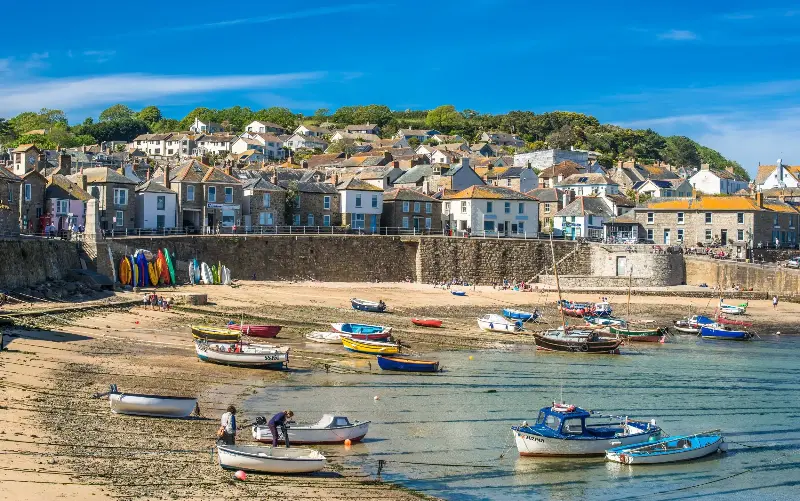
When the Ice Age ended and sea levels rose, the many rivers along the south coast flooded, creating navigable estuaries. Each waterside village has its own particular character, from close-knit Mousehole, Victorian Porthleven and thatched Cadgwith in the west to wealthy, yachty St Mawes, World Heritage Charlestown and ancient Polperro further east.
My favourite town is Falmouth, its naval heritage given a new life by university students, some of whom have gone on to open interesting shops along Market Street. A riverboat will take you all the way upstream to Truro, the county town, which has a fine cathedral and the Cornwall Museum, known for its extensive geology galleries.
Things to do
North Cornwall: 8/10
If, as I do, you enjoy striding out along grassy clifftops, the north coast is the place to head. There is magnificent walking all the way, but particularly between Polzeath and Port Quin; St Agnes and Porthtowan; and St Ives to Zennor. This is also the coast for learning to surf, with most of the larger beaches offering lessons and equipment rental.
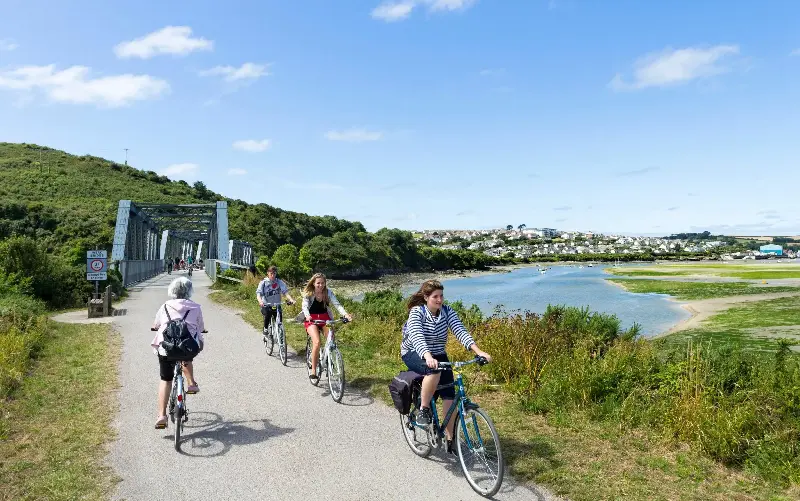
A great day out is to hire a bicycle in Wadebridge and pedal the Camel Trail that follows an old railway line north to Padstow for lunch at Rick Stein’s excellent fish and chip shop. On the way back, drop into Camel Valley winery for a tasting.
South Cornwall: 9/10
On this calmer coast, a boat is the way to explore. There’s a big choice of days afloat, including sightseeing and mackerel fishing out of Penzance, shark fishing from Looe and dinghy sailing from Mylor near Falmouth. Sightseeing trips along the Fal and the Helford rivers pass ancient hamlets and gardens of exotic plants. On the Helford River, Koru Kayaking offers guided kayaking to Frenchman’s Creek, immortalised by Daphne du Maurier, where ancient oaks dip their branches into the water.
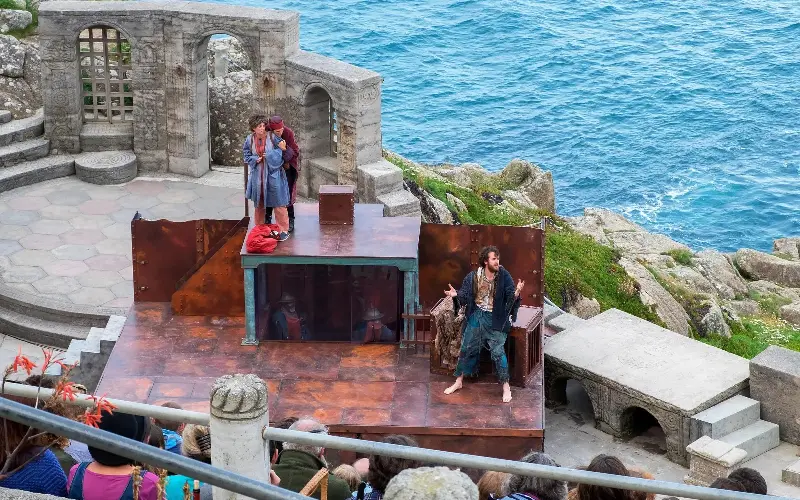
West Cornwall is packed with coastal treasures. I particularly enjoy visiting the castle and gardens on St Michael’s Mount, a performance at Minack’s cliffside amphitheatre, and Trebah’s sub-tropical garden, which has its own beach.
Bars and restaurants
North Cornwall: 9/10
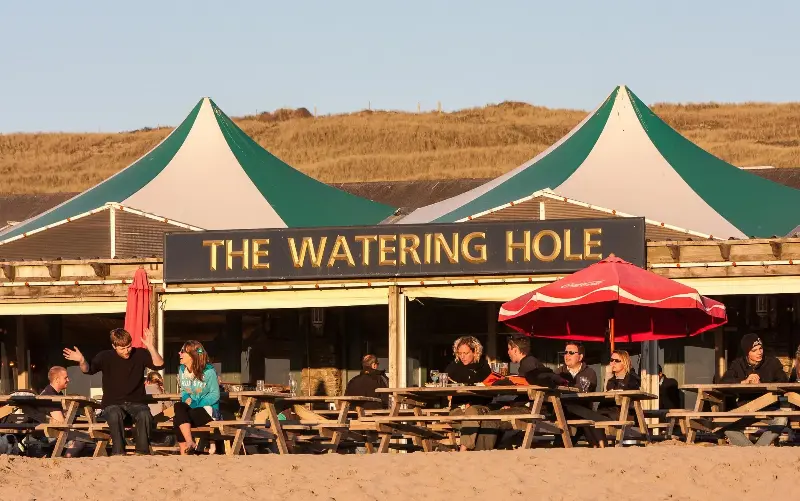
The north coast is the place to go for a sunset drink or beach supper. The Watering Hole on Perranporth Beach has regular live music and lays claim to the only bar actually on a beach in the UK.
This summer, two new places have been added to the exceptional food scene on the north coast which take full advantage of the sea views. Above Port Isaac, Nathan Outlaw’s Bistro serves a more affordable menu than his Michelin-starred restaurant by the harbour. And in Carbis Bay another top chef, Tom Sellers, opened Mor in July, which serves imaginative seafood dishes in a glass-walled restaurant beside the beach.
If you’re on a budget, head for West on Porthmeor Beach in St Ives for some of the best pizzas and Greek food to be found in Cornwall.
South Cornwall: 7/10
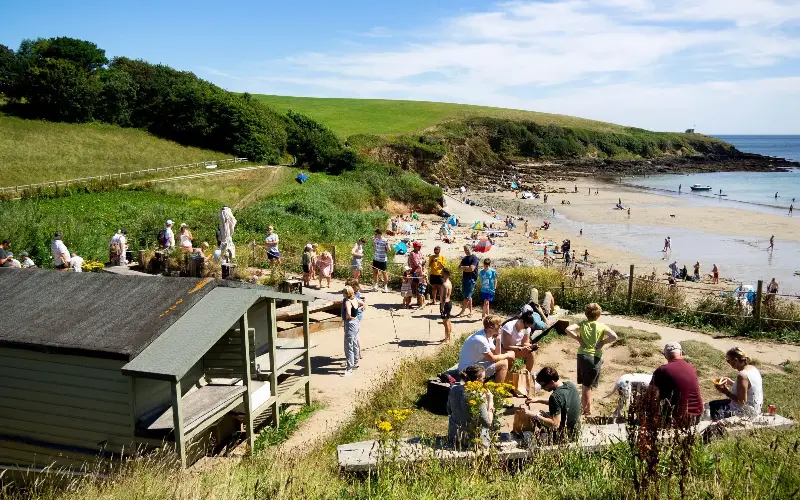
Crab sandwiches are as fresh as can be here, but prices have shot up – one nameless pub is charging £25 – because the catch is being decimated by blooms of octopus. The fishing port of Newlyn has become a culinary hotspot for fish lovers with an evening queue for Mackerel Sky’s tapas-style fish plates and advance bookings needed for Argoe.
A personal favourite is the Shipwrights Arms on the Helford river, a community owned pub serving delicious Cornish pub classics, with live music on Sundays just steps from the water. Another favourite is Hidden Hut on the Roseland peninsula, which serves inventive home-cooked lunches above a quiet sandy beach.
Accommodation
North Cornwall: 9/10
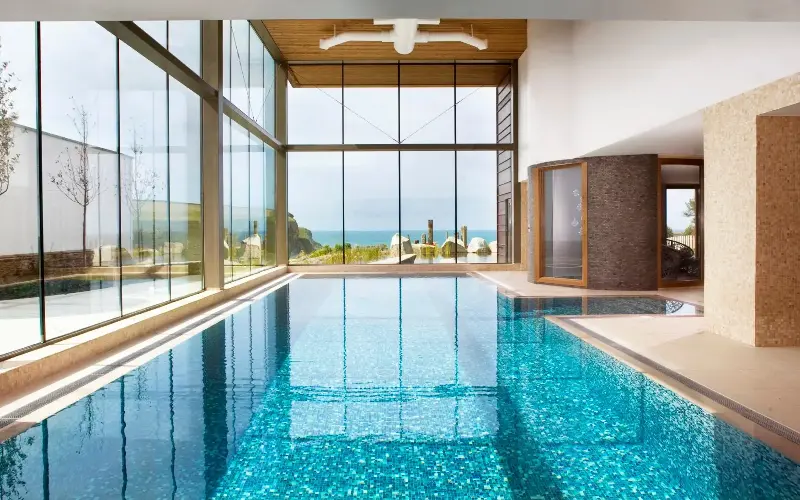
North coast hoteliers have invested hugely in upgrading traditional seaside hotels, adding fine dining, spas and heated pools. My favourite is Scarlet, a stylish and modern adults-only hotel and spa in fashionable Mawgan Porth. A close second is the Headland Hotel, which sits in isolated splendour on a clifftop overlooking Newquay’s Fistral Beach and now has a state-of-the-art AquaClub with six pools and clifftop dining.
The Watergate Bay Hotel and the Carbis Bay Hotel & Estate have also been stylishly renovated. And for the ultimate in barefoot beachfront self-catering head for Three Mile Beach hidden in Gwithian Towans in St Ives Bay.
South Cornwall: 7/10
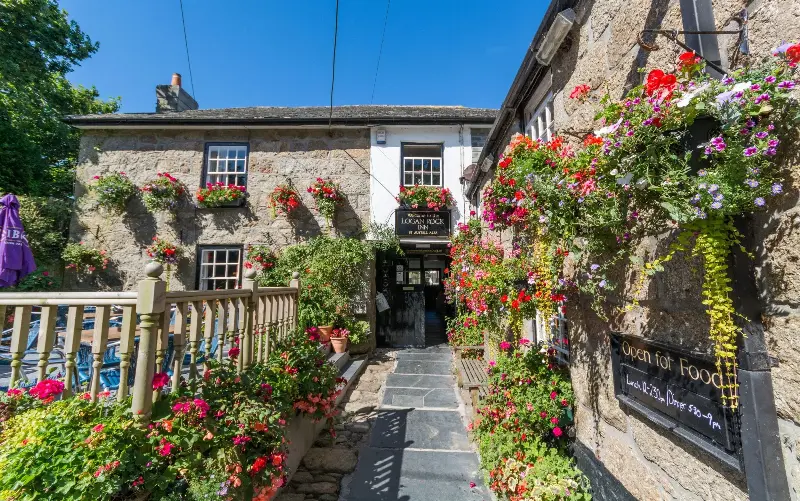
While the south coast has plenty of smaller, resort-style hotels, the joy of staying here is to rent a cottage on a quiet creek or in a seaside village. The gently shelving beaches are safer for young children than the waves. Classic Cottages and Aspects have affordable options while Unique Homestays offers luxury choices.
There are plenty of simple seasonal campsites, some in farmers’ fields with Portaloos, others with more facilities. A favourite of mine is at Treen on a headland near the famed Porthcurno Beach and within walking distance of the historic Logan Rock Inn.
The final scores
North Cornwall: 42
South Cornwall: 39
It was a close result, unsurprisingly, because each area has so much diversity in its landscapes, experiences and places to stay and eat. Making a choice between north and south is really more about considering the ages of those in your party, and your budget, but whichever coast you choose you will never be disappointed – unless you are very unlucky with the weather.