



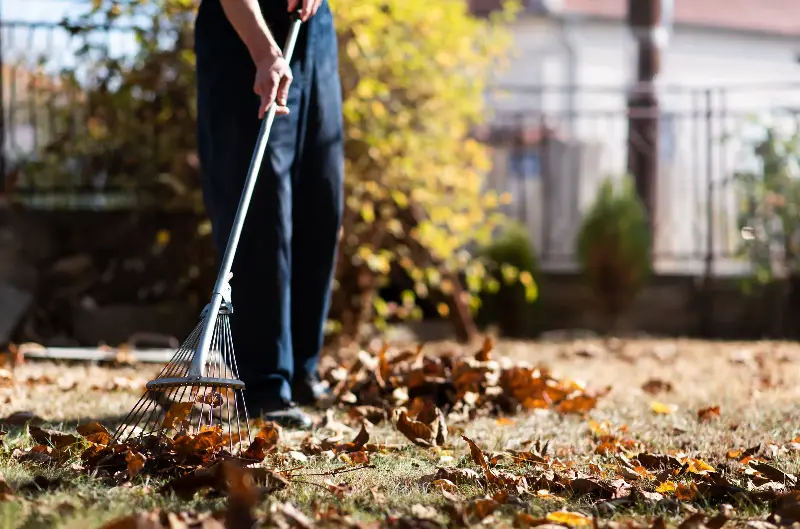
Fall cleanup is an important part of preparing your property for colder weather, but that does not mean every leaf needs to be bagged or every plant needs to be cut back. Some projects can protect your lawn and home during winter, while others are better postponed until plants and trees enter the appropriate stage of their growth cycle. Knowing what to prioritize can help you use your time effectively and avoid unnecessary work.
Start by clearing excessive leaves and debris from your lawn, walkways and areas around the home. Thick layers of wet leaves can block sunlight and airflow from reaching the grass while creating slippery walking surfaces. Leaves piled near the foundation can also hold moisture against the home and provide shelter for pests. However, homeowners do not necessarily need to remove every leaf. Depending on the amount, you can mulch leaves into the lawn so they break down and return nutrients to the soil. If the layer is too heavy, collect the excess for composting or disposal according to local guidelines.
Next, give your lawn a final round of seasonal care. Continue mowing while the grass is actively growing, but avoid cutting it dramatically shorter before winter. You may also need to aerate compacted soil, overseed thin areas or apply fertilizer, depending on your grass type, climate and soil condition. Because the correct timing varies by region, consider asking a local lawn-care professional which treatments will benefit your yard before temperatures drop.
Some plant cleanup should happen now. Remove diseased plants, invasive weeds and fallen fruit that could attract pests or allow problems to return next year. You can also clear broken branches and plant material that blocks walkways, drainage areas or access to the home. Healthy leaves and stems in garden beds may be able to remain until spring, however. Leaving some plant material can provide protection for the soil and shelter for beneficial insects during winter.
Tree care requires more judgment. Walk around your property and look for dead, damaged or hanging branches that could fall during high winds, snow or ice. Address immediate safety hazards promptly, especially near the roof, driveway, utility lines or frequently used areas. Leave large branches and work that requires climbing to a qualified arborist. Routine pruning can often wait because the best time to trim many trees is during dormancy in late winter or early spring. Timing varies by species, so avoid extensive fall pruning unless a professional recommends it.
Before the first freeze, disconnect and store garden hoses and prepare irrigation systems for winter if needed in your climate. Drain outdoor equipment according to the manufacturer’s instructions and store tools, planters and furniture that could be damaged by freezing temperatures. This is also a good time to clean leaves and debris from outdoor drains so melting snow and seasonal rain can move away from the house.
Projects that are primarily cosmetic can generally wait until spring. You do not need to cut back every healthy perennial, reshape all shrubs or remove every bit of natural material from garden beds. In fact, pruning certain plants at the wrong time can remove next season’s blooms or leave new growth vulnerable to cold weather. Make a note of improvements you want to tackle, then confirm the best timing for each plant with a landscaper or local gardening resource.
Every yard has different needs based on its climate, plant varieties and overall condition. Prioritize anything that could create a safety hazard, trap damaging moisture or interfere with lawn health. If the cleanup involves large trees, heavy debris, steep terrain or more work than you can safely manage, Angi can help you find a local landscaping or lawn-care professional to prepare your property for winter while preserving the projects that should wait until spring.
____
Tweet your home care questions with #AskingAngi and we’ll try to answer them in a future column.