


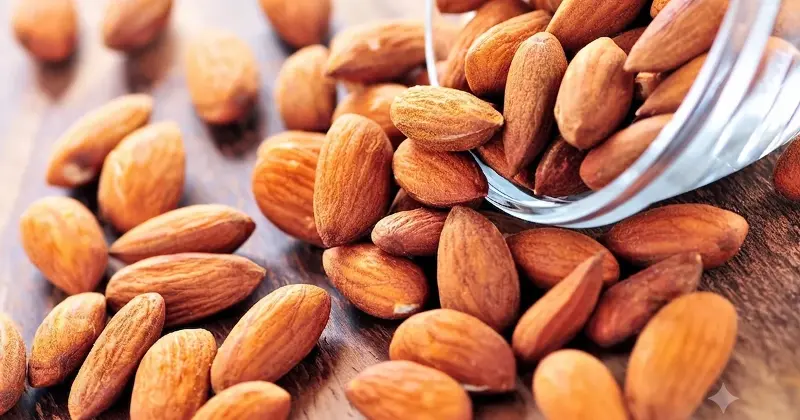
- 1. Types of nuts that help reduce fatty liver disease.
- 2. Principles for using nuts for people with fatty liver disease
People with fatty liver disease and hepatitis need to follow a diet to repair cellular damage. Replacing animal fats with monounsaturated and polyunsaturated fatty acids from nuts helps control fat accumulation and restore natural metabolic function.
1. Types of nuts that help reduce fatty liver disease.
Walnuts are rich in antioxidants and help lower triglycerides.
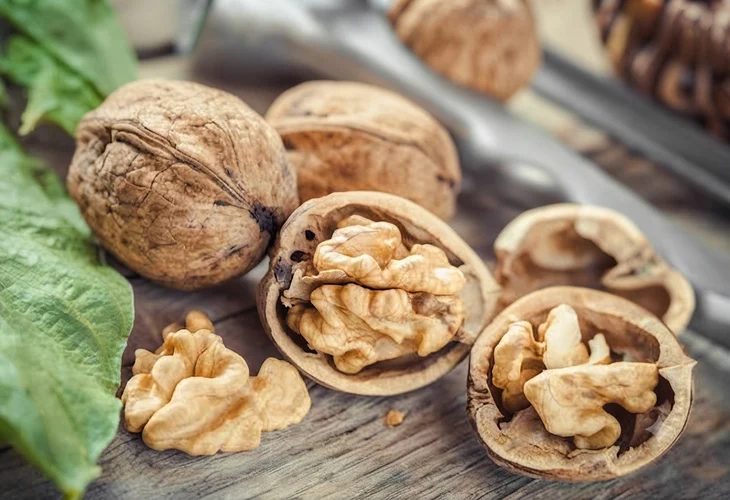
Walnuts are actually effective in helping to reduce fatty liver disease thanks to their superior nutritional content and natural anti-inflammatory compounds.
Walnuts have the highest content of omega-3 fatty acids (ALA) among all nuts. When omega-3s enter the body, they activate genes responsible for burning fat while inhibiting genes that promote the synthesis of new fat in the liver. Studies show that eating walnuts regularly significantly reduces triglyceride levels – the main component of fat in the liver.
The high polyphenol content in walnuts helps prevent fatty liver from progressing to non-fatty liver disease (NASH).
Chia seeds are rich in soluble fiber and omega-3s.
These tiny seeds are a rich source of high-quality soluble fiber and alpha-linolenic acid. The soluble fiber in chia seeds forms a dense gel in the intestines. This gel coats cholesterol and fat molecules from food, slowing down and reducing the amount of fat absorbed through the intestinal wall and transported to the liver.
The resistant starch and fiber in these seeds help stabilize blood sugar , thereby reducing insulin resistance—the root cause of liver overload and fat accumulation.
Almonds are rich in vitamin E.
Almonds are the best natural source of vitamin E (alpha-tocopherol). The American Liver Disease Research Association recommends vitamin E as an adjunct therapy for patients with non-alcoholic fatty liver disease. Vitamin E is a powerful fat-soluble antioxidant. It protects liver cell membranes from free radical damage, preventing lipid peroxidation (the process of fat necrosis in the liver that causes hepatitis).
Cashews boost good cholesterol (HDL).
Cashews provide a high amount of monounsaturated fatty acids, also known as omega-9, in a ratio comparable to that found in olive oil. This nutrient plays a role in stimulating the body to produce more HDL-cholesterol.
HDL is a beneficial type of cholesterol that works independently to clean up the circulatory system and liver tissue by collecting excess cholesterol molecules, then transporting them back to the liver for breakdown and excretion through bile. This process helps to release accumulated plaque, clearing blockages and naturally reducing the burden on liver cells.
2. Principles for using nuts for people with fatty liver disease
To ensure that seeds effectively cleanse the liver of fat without causing adverse effects, three principles must be followed:
Eat whole nuts: Choose only unsalted, boiled, or dry-roasted nuts. Avoid nuts that are salted, sugared, buttered, or coated in honey. These added sugars and salts will stimulate the liver to synthesize fat more quickly.
Eat in moderation: Nuts are very good but contain a lot of calories. You should only eat about 30 grams per day (equivalent to a small handful, about 4-5 walnuts, or 20 almonds). Eating too much will lead to excess energy, causing weight gain and worsening fatty liver disease.
Replace, not supplement: Use nuts to replace unhealthy snacks (cakes, bubble tea, potato chips) or to replace animal fats.